Blog

Nissan Altima AWD: Which Trims Have It and Is It Worth It?

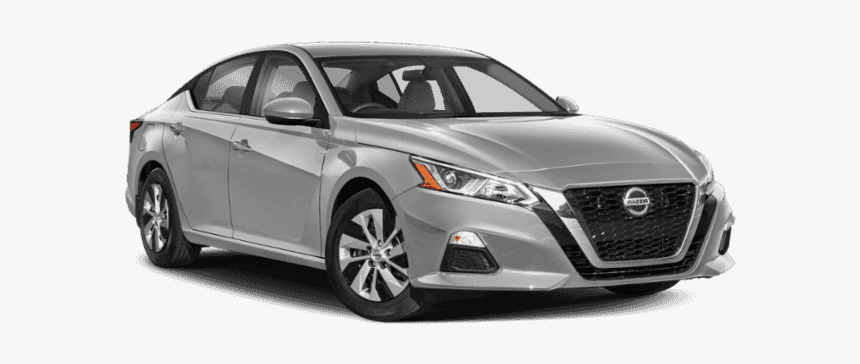
silver Nissan Altima
  • The 2026 Nissan Altima offers available Intelligent AWD on all four current trim levels.

  • AWD adds $1,500 to the starting MSRP compared with the equivalent FWD model.

  • Intelligent AWD can provide added traction for wet roads, mountain trips, and changing driving conditions.

Drivers shopping for sedans that are AWD may be surprised to find that they do not have to move into an SUV. The 2026 Nissan Altima offers available Intelligent All-Wheel Drive across its current lineup. The Gropetti Automotive Family helps Central Valley drivers compare both FWD and AWD Nissan cars so they can choose the setup that makes the most sense for their daily driving.

Which Nissan Altima Trims Offer AWD?

For the 2026 model year, Nissan AWD is available on all four Altima trims:

  • Altima SV: FWD starts at $27,580, while AWD starts at $29,080.

  • Altima SV Special Edition: FWD starts at $28,880, while AWD starts at $30,380.

  • Altima SR: FWD starts at $28,980, while AWD starts at $30,480.

  • Altima SR Midnight Edition: FWD starts at $30,980, while AWD starts at $32,480.

That makes the AWD upgrade $1,500 across the lineup based on current starting MSRP. Prices do not include destination charges, options, taxes, or other fees and can change over time.

How Does Nissan Intelligent AWD Work?

Nissan Intelligent AWD is designed to respond automatically as road conditions change. The system monitors available grip and can adjust power between the front and rear wheels to improve traction.

During steady highway driving, the system can direct power primarily to the front wheels to support efficiency. When additional traction is needed, it can send power to the rear wheels as well.

There is no separate AWD mode that drivers need to remember to activate. The system continually responds in the background while you drive.

When Is an AWD Nissan Altima Useful?

For many Visalia drivers, front-wheel drive works well for everyday commuting and generally dry Central Valley roads. An AWD Nissan may make more sense if your routine includes conditions where extra traction can be helpful.

Examples include:

  • Driving frequently in heavy rain

  • Taking winter trips into the Sierra Nevada

  • Traveling on wet or slippery mountain roads

  • Commuting before roads have been cleared after poor weather

  • Wanting additional traction during changing road conditions

AWD does not replace safe driving practices or appropriate tires, but it can provide added confidence when traction is limited.

Is Nissan AWD Worth the Extra Cost?

Whether the upgrade is worthwhile depends on how and where you drive. If most of your time is spent around Visalia on dry pavement, FWD may provide everything you need while keeping the initial purchase price lower.

If you regularly travel into higher elevations, take winter road trips, or simply prefer the added traction of AWD Nissan cars, the $1,500 difference may be a worthwhile consideration.

The best way to decide is to compare both configurations and think about where you expect to drive throughout the year.

Find Your Nissan Altima in Visalia

The Altima gives sedan shoppers a choice that is becoming harder to find: comfortable everyday driving with available all-wheel-drive capability.

We can help you compare trims, features, FWD, and Intelligent AWD based on your budget and driving habits. Browse our Nissan Altima inventory or call The Gropetti Automotive Family at 559-734-3333 to schedule a test drive.

When you are ready for your next Nissan, you can count on us.
Recommended Posts

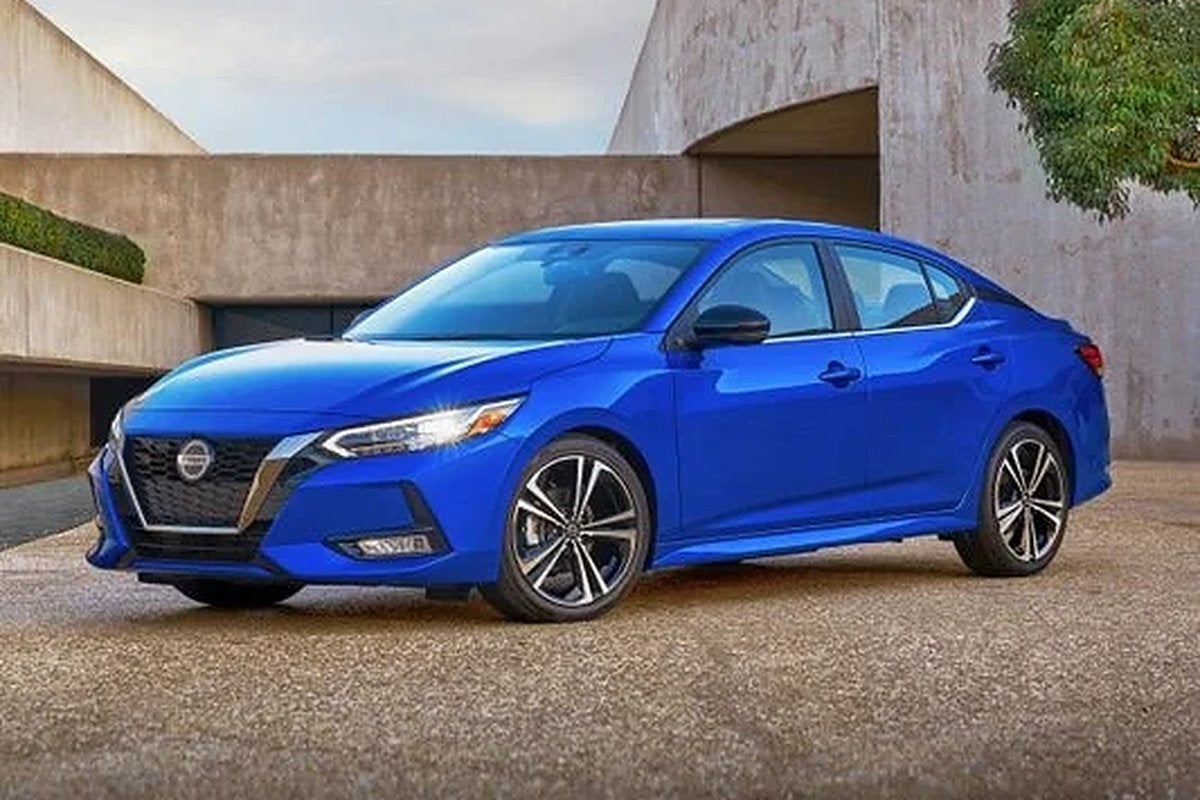
Blue Nissan Sentra

Nissan Sentra Gas Mileage: What to Expect at the Pump

The Nissan Sentra achieves up to an EPA-estimated 30 MPG city and 40 MPG highway on S and SV trims. Featuring a 12.4-gallon Nissan Sentra gas tank size that runs on regular unleaded fuel, drivers enjoy over 400 miles of highway range per fill up. Smart driving habits, optimal tire inflation, and routine maintenance help maximize real-world Nissan Sentra fuel economy for daily Visalia commuters. Finding a sleek, comfortable compact sedan that keeps daily commuting expenses low is a priority for drivers across the Central Valley. Nissan of Visalia serves commuters and families throughout Visalia and Tulare County by offering reliable vehicles built for long-term value. If you want to keep your monthly spending under control, the Nissan Sentra’s gas mileage is a major selling point. The engine gives you plenty of pep for merging onto the highway while keeping your stops at the pump few and far between. Looking at the official EPA numbers, tank size, and a few simple driving habits makes it easy to see how this sedan fits into a realistic commuting budget. EPA-Rated Nissan Sentra MPG by Trim Level Every Sentra is powered by a capable 2.0-liter four-cylinder engine producing 149 horsepower and 146 pound-feet of torque. Paired with a smooth Xtronic Continuously Variable Transmission, this powertrain balances responsive acceleration with impressive Sentra MPG figures. The EPA-estimated ratings vary slightly depending on the trim level: Sentra S and SV Trims: These popular trim levels deliver the highest efficiency, achieving an EPA-estimated 30 MPG in the city, 40 MPG on the highway, and 34 MPG combined. Sentra SR Trim: Featuring sportier styling, larger alloy wheels, and elevated trim accents, the SR model earns an EPA-estimated 30 MPG city, 38 MPG highway, and 33 MPG combined. Regardless of trim choice, every model comes equipped with a 12.4-gallon Nissan Sentra gas tank size. Because the engine runs efficiently on standard regular unleaded fuel, filling up remains affordable while offering a total driving range that easily exceeds 400 highway miles. Factors That Impact Real-World Nissan Sentra Fuel Economy While official EPA figures provide a great baseline for comparison, real-world Nissan Sentra miles per gallon can fluctuate based on daily driving environments and vehicle maintenance habits. Several key factors influence your actual highway and city mileage: Driving Style and Acceleration: Aggressive starts, frequent hard braking, and rapid speed changes consume significantly more fuel than gradual acceleration and steady cruising. Highway Speed and Aerodynamics: Driving at elevated speeds increases aerodynamic drag, forcing the engine to work harder and reducing highway efficiency. Vehicle Cargo Weight: Carrying heavy gear or unnecessary items in the trunk adds unnecessary weight, which impacts overall Nissan Sentra gas mileage. Tire Pressure and Alignment: Underinflated tires increase rolling resistance against the road surface, causing the engine to burn extra fuel during routine driving. Practical Tips to Maximize Your Nissan Sentra MPG Unlocking the highest possible Nissan Sentra fuel economy is straightforward when you follow a few simple maintenance habits: Utilize Eco Mode: Engaging the built-in Eco Mode adjusts throttle response and climate control settings to maximize fuel conservation automatically. Maintain Correct Tire Pressure: Check your tire pressure monthly to ensure tires remain inflated to recommended manufacturer specifications. Schedule Regular Oil Changes: Fresh engine oil reduces internal friction within the powertrain, allowing components to move smoothly and conserve energy. Remove Unnecessary Trunk Weight: Clean out heavy sports equipment, toolboxes, or cargo from the rear trunk space when not in use. A Smart Long-Term Investment for Central Valley Drivers Combining efficient daily performance, comfortable seating, and advanced safety features, the Sentra delivers exceptional overall value for budget-conscious drivers. Lower fuel costs over years of ownership translate directly into meaningful long-term savings. Our team at the Groppetti Automotive Family invites you to experience this efficient sedan firsthand. Contact us for details about our current Sentra inventory or visit our showroom today to take a test drive and learn more about flexible purchasing options!

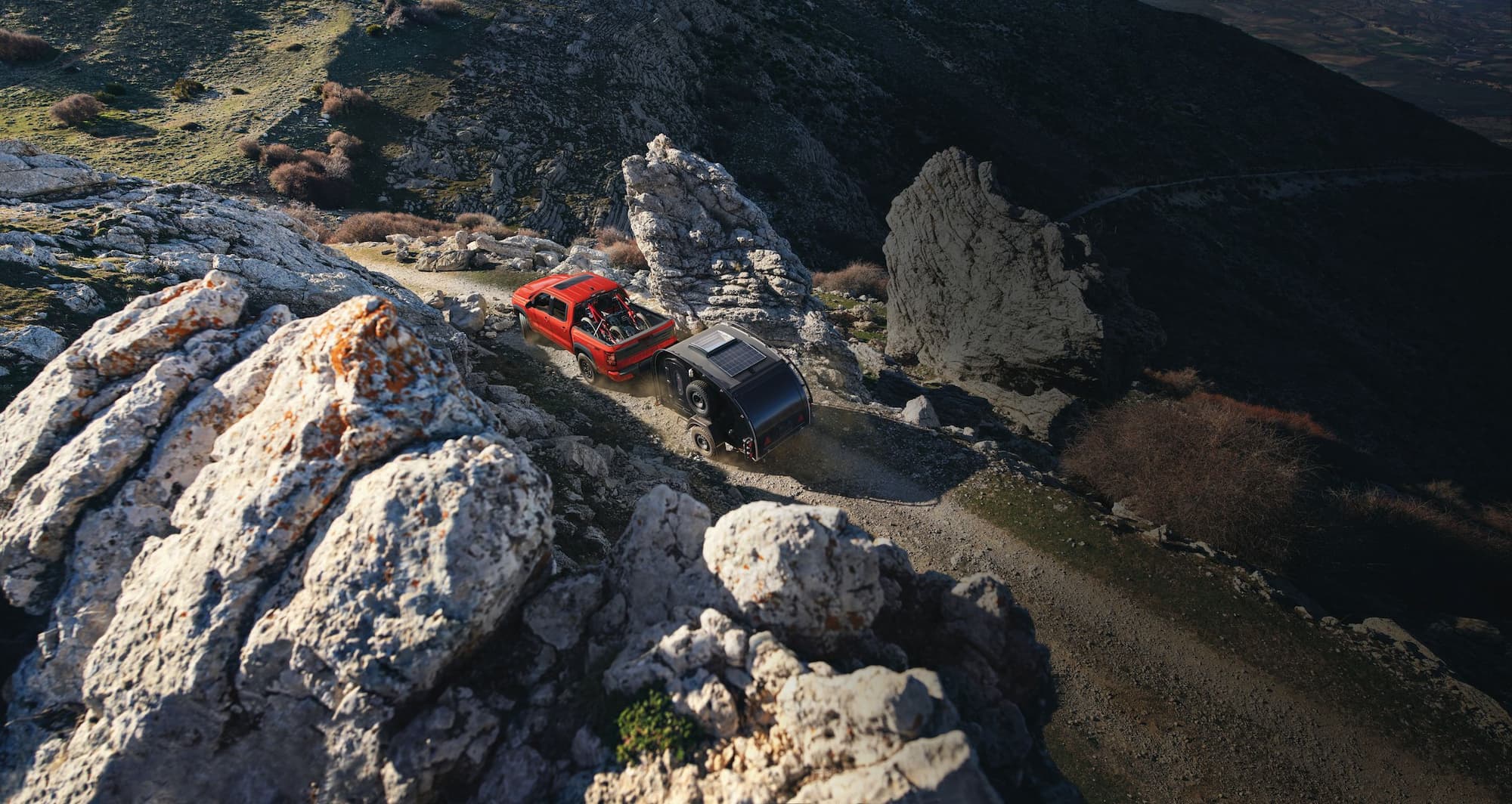
Red Nissan Frontier towing a black camper trailer on a rocky mountain off-road trail

Nissan Frontier Towing Capacity Explained

The maximum Nissan Frontier towing capacity reaches up to 7150 pounds when properly equipped. Every model features a standard 310-horsepower V6 engine built for reliable hauling performance. Drivetrain choices affect the numbers, with the Nissan Frontier 4x4 towing capacity reaching 7000 pounds. Maximum payload capacities top out at 1620 pounds for carrying tools and gear in the bed. Finding a highly capable midsize pickup truck is easy at Groppetti Auto Family | Nissan Visalia, where the maximum frontier towing capacity reaches a stout 7150 pounds when properly configured. This robust rating makes our vehicle one of the most muscular options in its segment, providing the raw strength required for demanding workdays and weekend escapes. We understand that local buyers need clear, accurate performance figures before investing in a new vehicle, which is why we break down the exact performance data across the lineup. Maximum Towing Capacity by Trim and Cab Configuration Maximum trailering capacity varies strictly by configuration, topping out at 7150 pounds for two-wheel-drive street trims and adjusting based on your chosen cab style. The peak Nissan Frontier tow capacity of 7150 pounds is achieved when you choose the King Cab S model with two-wheel drive. For buyers who require the expanded passenger space of a Crew Cab, the truck remains highly capable, offering towing limits between 6760 pounds and 7040 pounds depending on the trim. If your lifestyle demands off-road utility, the specialized Nissan Frontier 4x4 towing capacity reaches 7000 pounds in the King Cab format, while the popular Crew Cab PRO-4X model delivers a healthy 6680 pounds of pulling strength. This gives you the flexibility to choose the exact level of comfort and trail readiness you need without sacrificing utility. Payload Ratings and Essential Towing Packages Maximum safe hauling capacity requires balancing your internal truck payload rating with an authorized factory tow package. Beyond looking purely at the towing capacity of Nissan Frontier models, active buyers must account for payload, which hits a peak of 1620 pounds on the King Cab SV two-wheel-drive configuration. Payload includes everything resting in the truck bed and cabin, including the trailer tongue weight. To hit these maximum hauling metrics safely, your vehicle must be outfitted with the official factory tow package. This upgrade installs a Class IV receiver hitch and a seven-pin wiring harness to establish a secure link. An interesting statistic from recent model years indicates that every single trim configuration can pull over 6000 pounds, showcasing the immense baseline engineering present across the lineup. Practical Hauling Examples for Work and Play A maximum trailering capability of over 7000 pounds allows our midsize truck to easily haul boats, campers, and utility trailers. Understanding exactly how much a Nissan Frontier can tow allows you to plan your work projects and recreational trips with complete confidence. With its high limit, our pickup comfortably handles a wide array of heavy equipment, such as a dual-axle utility trailer loaded with building materials or a fiberglass fishing boat. For outdoor enthusiasts, this muscle easily manages midsize travel trailers, pop-up campers, or a flatbed carrying multiple all-terrain vehicles. We always recommend calculating the combined weight of your passengers, tongue weight, and trailer cargo to ensure you stay safely within the official gross vehicle weight rating. Explore Our Complete Truck Selection Finding the perfect pickup with the ideal balance of power and comfort begins with viewing our current local inventory. We invite you to explore all your options by browsing our new Frontier inventory page. Once you locate the ideal trim level for your towing demands, our team is ready to assist you with the next steps. Visit our showroom for a test drive and experience this exceptional capability for yourself.

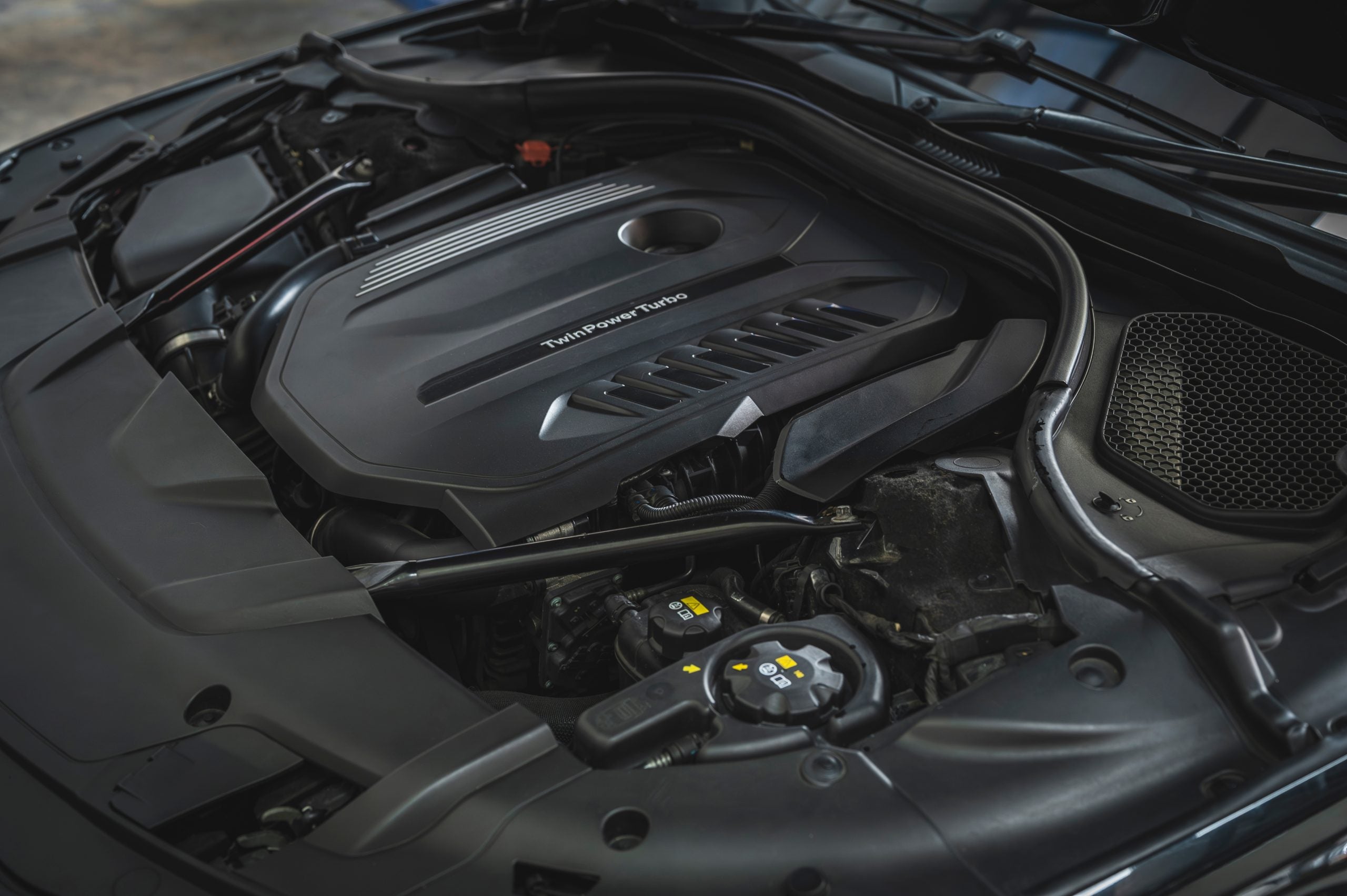
Clean TwinPower Turbo engine bay of a high-performance vehicle ready for professional maintenance and service.

Is the Twin Turbo Worth the Upgrade

Looking for a car that’s more fun to drive? Twin-turbo engines might be what you’re after. They’re built to give stronger acceleration, quicker reactions, and a ride that feels lively compared to most standard sedans. But they’re not for everyone, and it helps to know how they affect fuel, maintenance, and everyday driving before making a choice. What Makes Twin Turbos Unique Twin-turbo engines use two smaller turbos instead of a single large one. Each turbo pushes air into the engine, helping it burn fuel more efficiently and produce more horsepower. Because the turbos share the work, the engine responds faster when you step on the gas. That quick reaction is one reason drivers feel an immediate connection with the car—it reacts almost like an extension of your foot. How Much Power Do They Add? Many twin-turbo systems increase horsepower by 50 to 150 points, depending on the engine. That extra boost makes merging onto highways easier, passing slower cars smoother, and even city driving feels more dynamic. The design also keeps turbo lag low, so power comes as soon as you press the accelerator. Each vehicle differs, but most drivers notice the difference immediately. Why Drivers Enjoy Twin Turbos The main attraction is power. Extra horsepower makes cars feel faster and more responsive. For weekend trips, spirited driving, or towing heavier loads, twin-turbos can make a real difference. Even everyday commutes feel livelier because the car reacts quickly, making routine driving less monotonous. Things to Keep in Mind All that performance comes with trade-offs. Twin-turbo engines are more complex, which can lead to higher maintenance costs over time. More parts mean more chances of something needing attention. Fuel efficiency may also be lower than standard engines, especially if you often push the car hard. While modern designs are more reliable than older models, extra components bring a slightly higher risk of failure under heavy use. Is a Twin Turbo Right for You? It depends on your priorities. If you value acceleration, responsiveness, and a more engaging ride, twin-turbos can be worth it. But if fuel economy, low maintenance, and day-to-day reliability are more important, another engine type may be a better fit. Think about your driving routine—lots of stop-and-go traffic or open roads on weekends? Twin-turbos shine when the car gets a chance to stretch its legs. Explore Twin-Turbo Options at Nissan of Visalia Twin-turbo engines offer a noticeable difference in performance, but they’re not perfect for every driver. Consider the trade-offs carefully and match the car to your habits and budget. If you’re curious about experiencing the boost firsthand, visit us at Nissan of Visalia. Our team can guide you through options and help you find a vehicle that balances excitement and practicality. Your next drive might just surprise you. Image credit: // Shutterstock // Setta Sornnoi